Concrete or Porcelain Pavers Durability, Cost Design & Aesthetics
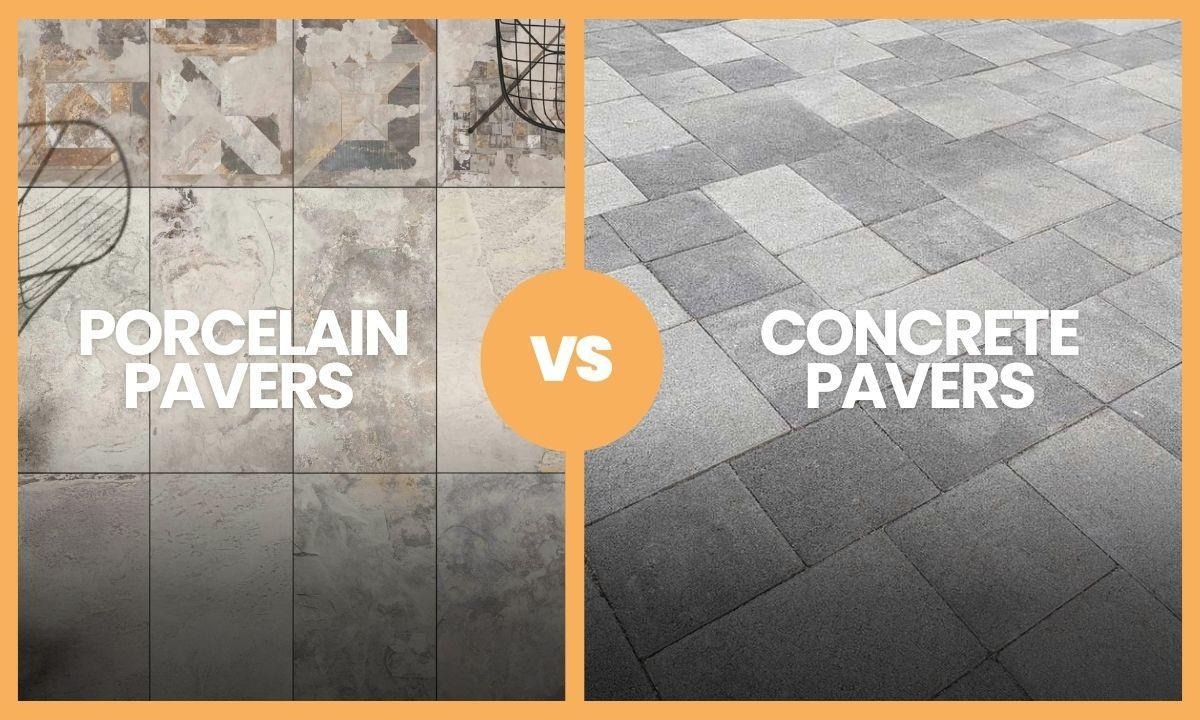
Concrete vs Porcelain Pavers Which Lasts Longer?
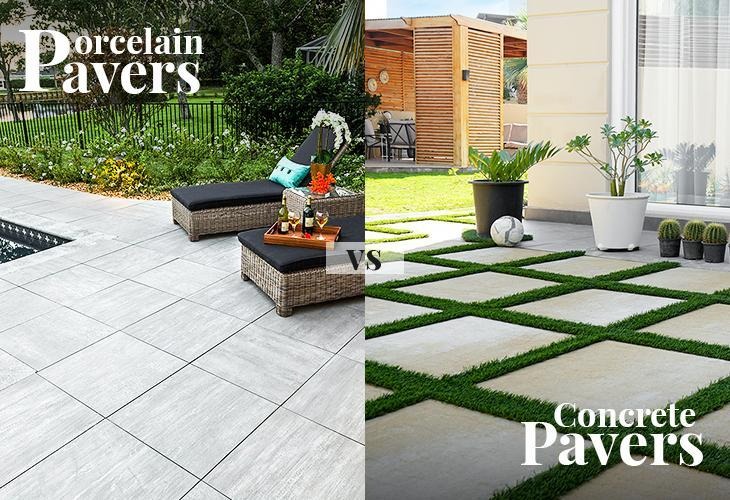
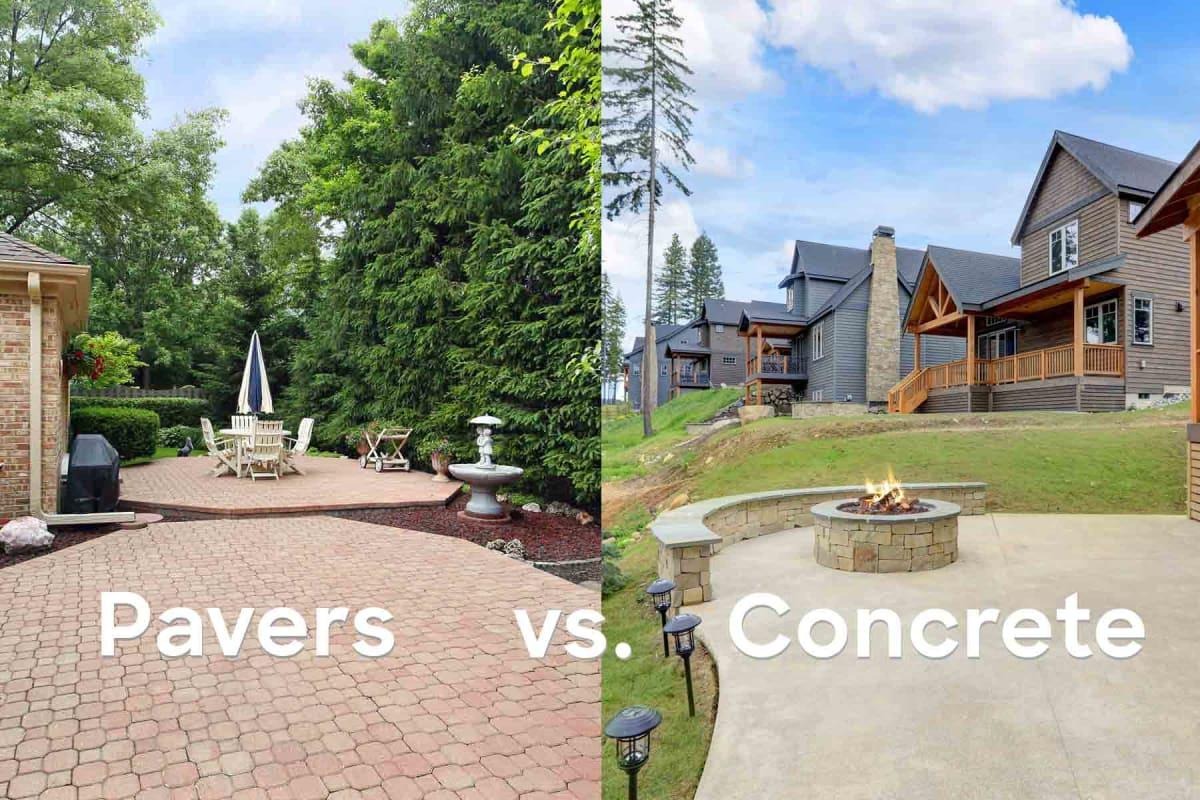
Choosing the right pavers for your patio or outdoor area is important. Concrete vs porcelain pavers are two popular options. Both look great but differ in durability, maintenance, and cost. Understanding these differences helps you make the best choice for long-lasting outdoor spaces.
Paver Comparison
| Feature | Concrete Pavers | Porcelain Pavers |
| Durability | Strong, can crack under heavy load | Very strong, highly resistant to cracking |
| Appearance | Natural, versatile, many colors | Sleek, modern, uniform finish |
| Maintenance | Needs sealing to prevent stains | Very low maintenance, stain-resistant |
| Heat & Weather | Can fade or chip over time | UV-resistant, stays cool under sun |
| Cost | $10–$25 per sq. ft. | $20–$35 per sq. ft. |
| Lifespan | 20–30 years with care | 30+ years, very durable |
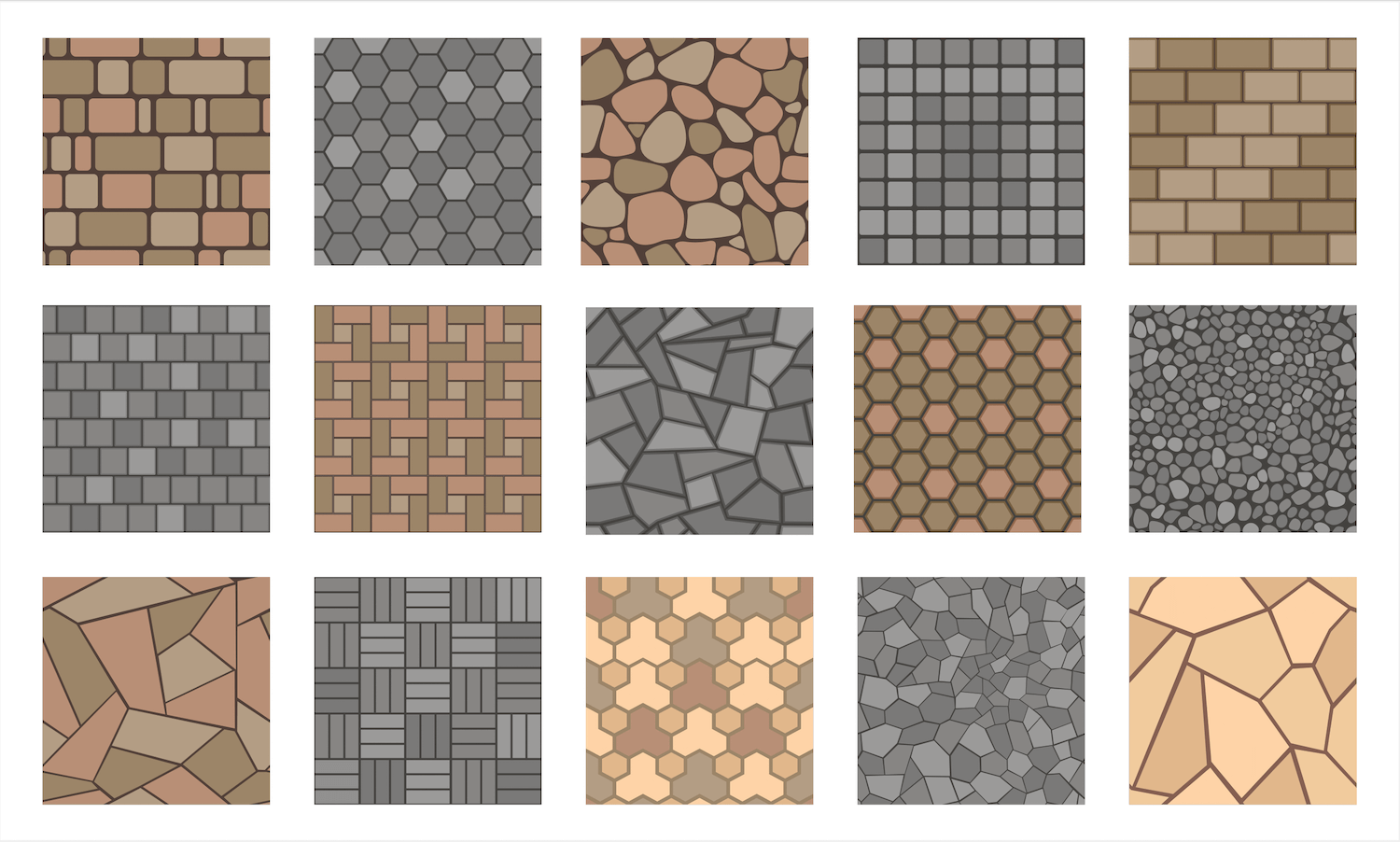
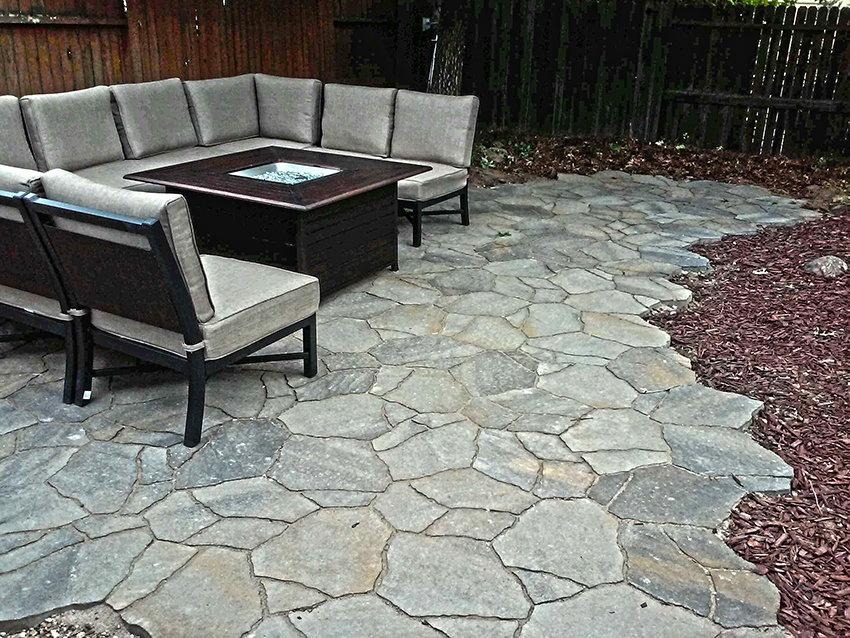
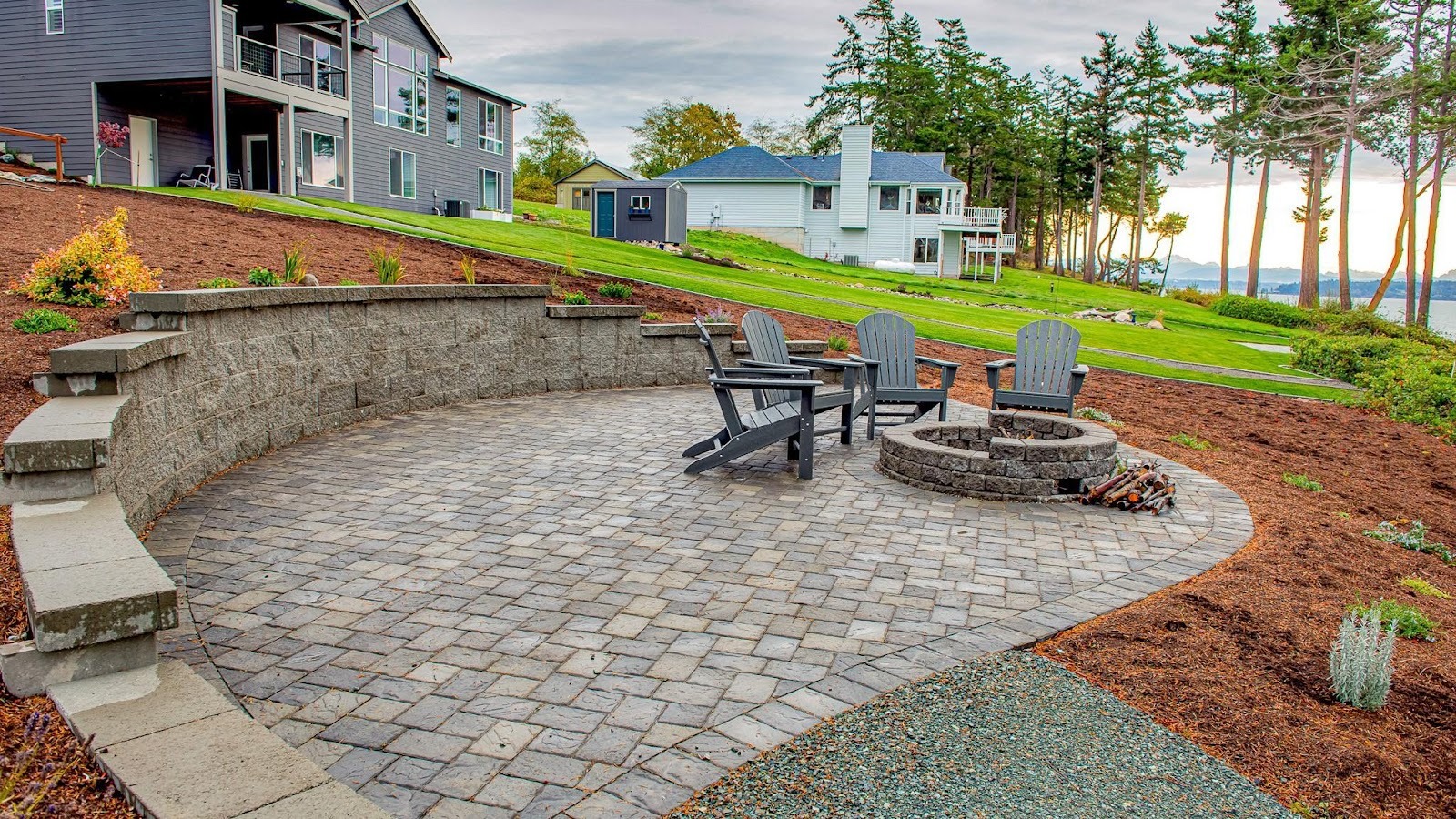
Concrete Pavers Overview
Concrete pavers are affordable and versatile. They come in many shapes, sizes, and colors. They are easy to install and repair. However, they can fade, chip, or crack over time. Regular sealing keeps them looking new longer. Concrete is ideal for driveways, patios, and pathways.
Porcelain Pavers Overview
Porcelain pavers are sleek and modern. They are dense, durable, and highly resistant to scratches and stains. Porcelain does not absorb water, making it perfect for wet areas. They retain color and texture even under sun or frost. Porcelain works well for luxury patios and poolside areas.
Durability: Concrete vs Porcelain
- Concrete: Durable but can crack under heavy weight or freeze-thaw cycles.
- Porcelain: Extremely strong, resists cracks, heat, and fading.
- Verdict: Porcelain lasts longer with minimal maintenance.
Maintenance Comparison
Concrete Pavers:
- Sweep and hose regularly
- Apply sealant every 2–3 years
- Repair chipped or cracked units as needed
Porcelain Pavers:
- Low maintenance
- Occasional sweeping or washing
- No sealing required
Design & Aesthetics
- Concrete is versatile for patterns like herringbone, basket weave, or running bond.
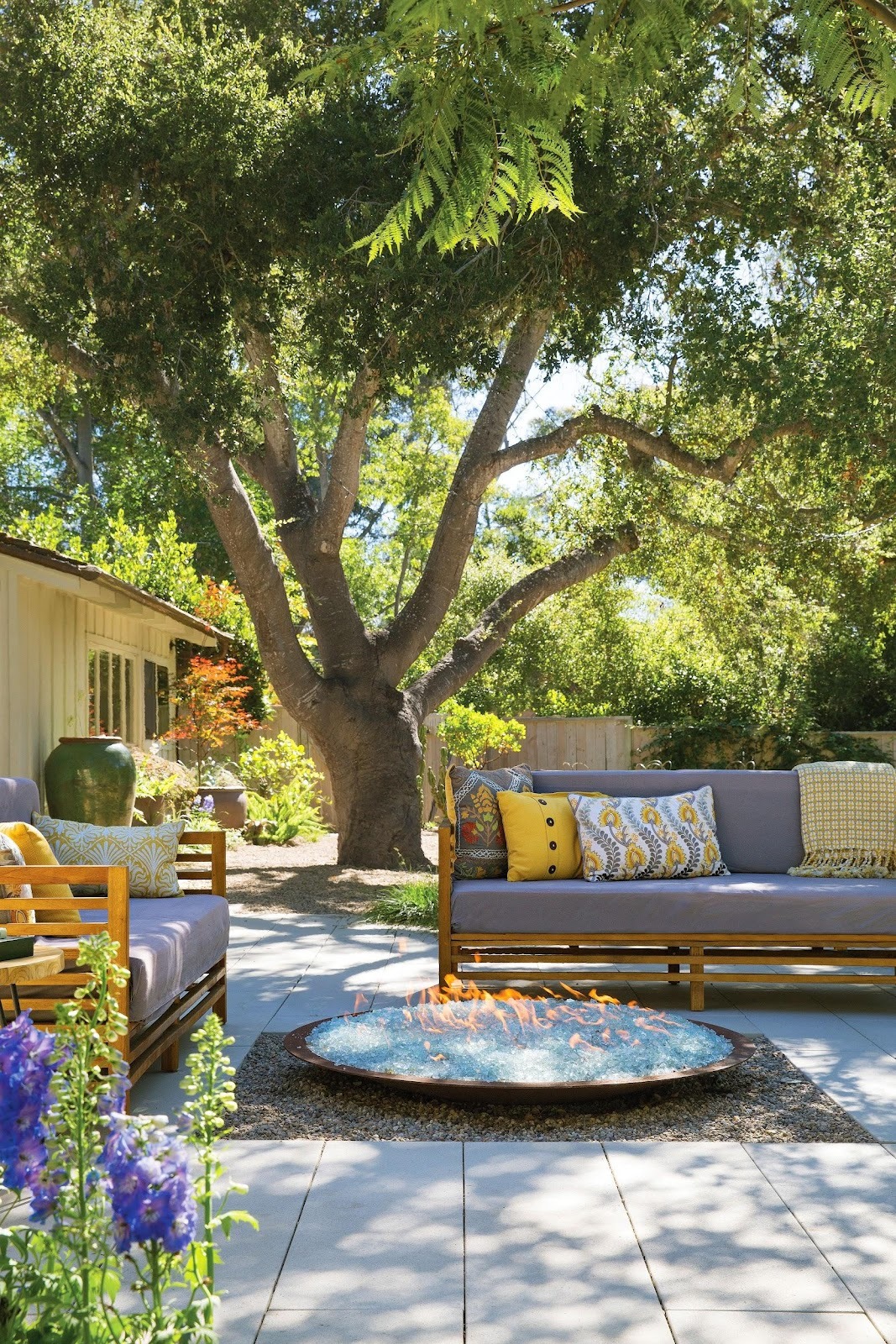
- Porcelain offers a clean, uniform look. It can mimic stone, wood, or marble.
- Both can enhance patios, walkways, and pool decks.
Cost Considerations
- Concrete pavers are generally cheaper upfront.
- Porcelain pavers cost more but last longer and require less maintenance.
- Factor in installation, base preparation, and optional sealing when budgeting.
Tips for Choosing the Right Paver
- Decide on your budget and expected lifespan.
- Consider the weather in your area. Porcelain handles extreme weather better.
- Choose concrete for versatility and pattern flexibility.
- Choose porcelain for a premium, modern finish and low maintenance.
- Mix and match for creative designs (concrete base + porcelain accents).
FAQs
Which paver is more durable?
Porcelain pavers are stronger and resist cracking, chipping, and fading.
Are porcelain pavers expensive?
Yes, they cost more initially but last longer with minimal care.
Do concrete pavers need sealing?
Yes, sealing prevents stains and prolongs their life.
Can I use porcelain pavers around pools?
Yes, they are non-porous, slip-resistant, and ideal for wet areas.
Which is better for patios: concrete or porcelain?
Concrete works well for budget-friendly, flexible designs. Porcelain is best for long-lasting, modern patios.