Crushed Stone or Gravel Which One Should You Use?
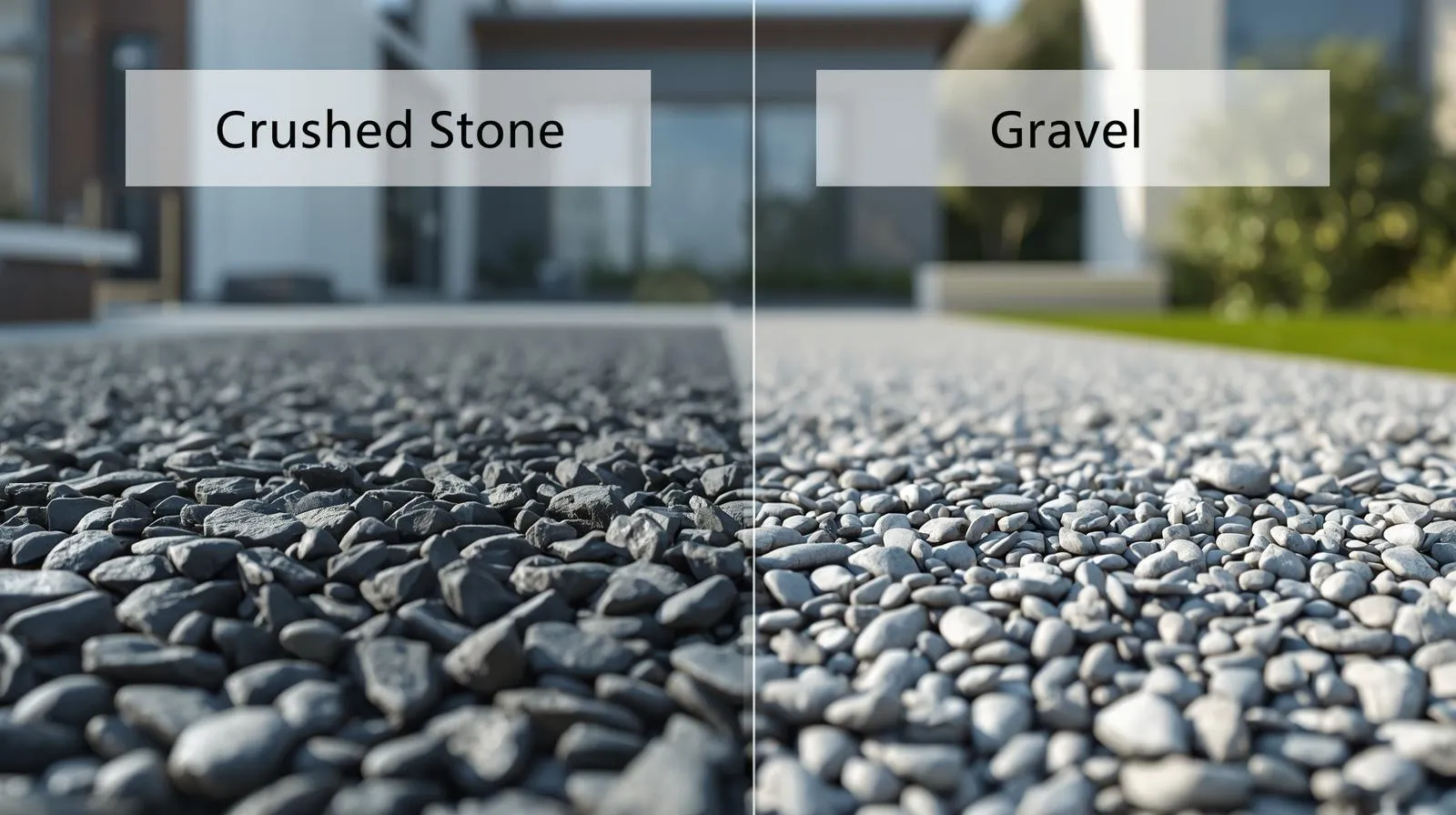
Crushed Stone vs Gravel Key Differences, Uses & Which Is Best
Homeowners and builders often ask about crushed stone vs gravel. Both are popular materials in landscaping, driveways, paths, and construction. Though they look similar, they are not the same. Knowing the difference helps you choose the right material for your project.
What Is Crushed Stone?
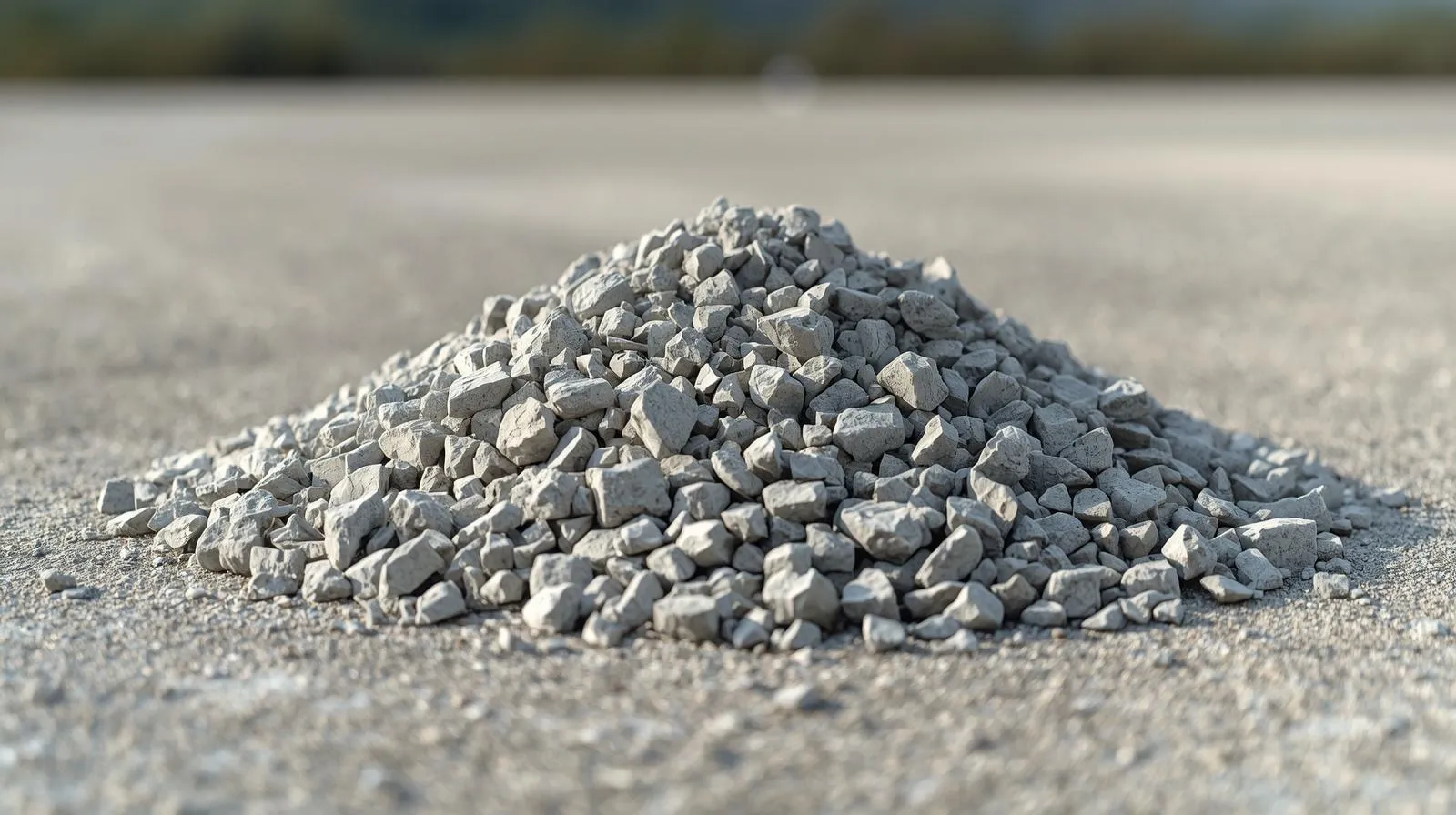
Crushed stone is made by mechanically crushing larger rocks. It comes from queries. The edges are rough and angular. These sharp edges help the stones lock together when compacted.
Common sizes range from fine dust to larger pieces 1 inch or more. This material works well when stability and drainage matter.
What Is Gravel?
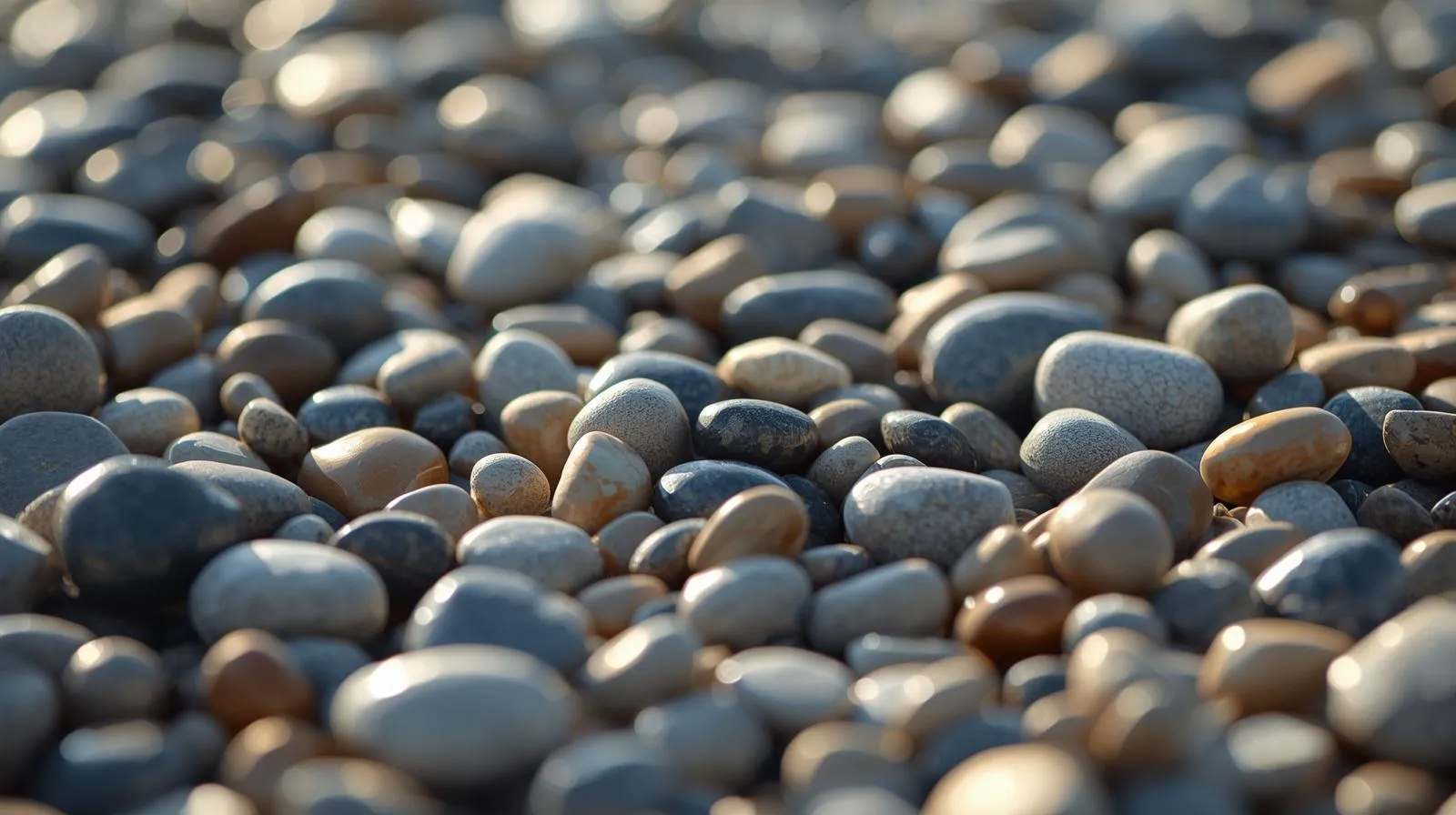
Gravel is natural rock worn smooth by nature. It forms in riverbeds, lakes, or along shorelines. The edges are rounded and soft. Gravel comes in many colors and sizes.
Gravel works well where a looser surface is okay. It is often used in driveways, walkways, garden beds, and drainage areas.
Crushed Stone vs Gravel Key Differences
| Feature | Crushed Stone | Gravel |
| Source | Quarries (crushed) | Natural (river/stream) |
| Shape | Angular | Rounded |
| Locking ability | High | Lower |
| Drainage | Excellent | Good |
| Common Use | Driveways, bases, construction | Driveways, walkways, decorative |
| Texture | Rough | Smooth |
Where to Use Crushed Stone
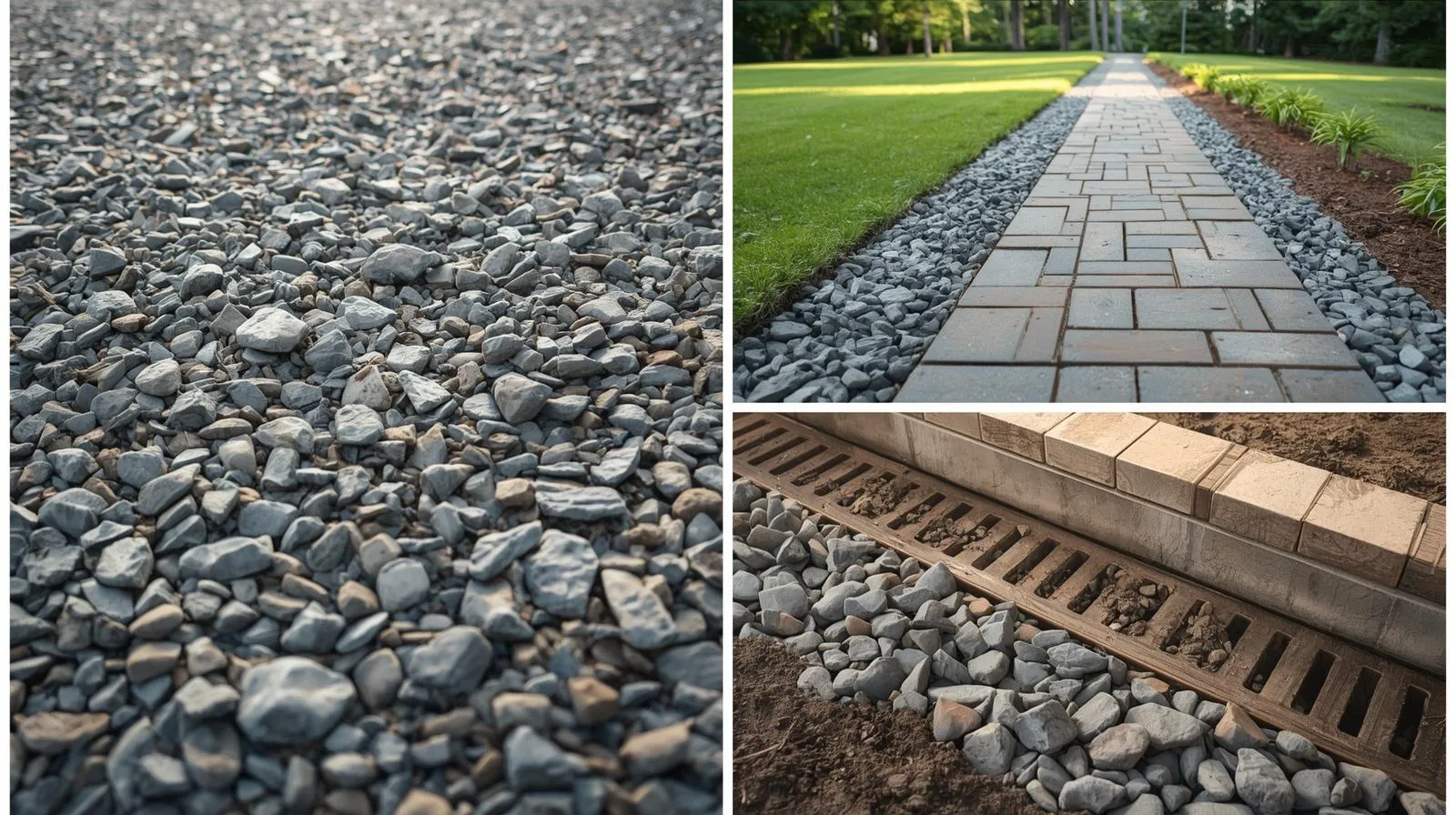
- Driveway bases and top layers
- Pathways with firm surface
- Under pavers or patio stones
- French drains and drainage beds
- Heavy-traffic areas
Crushed stone compacts well. It creates a stable base that resists shifting.
Where to Use Gravel
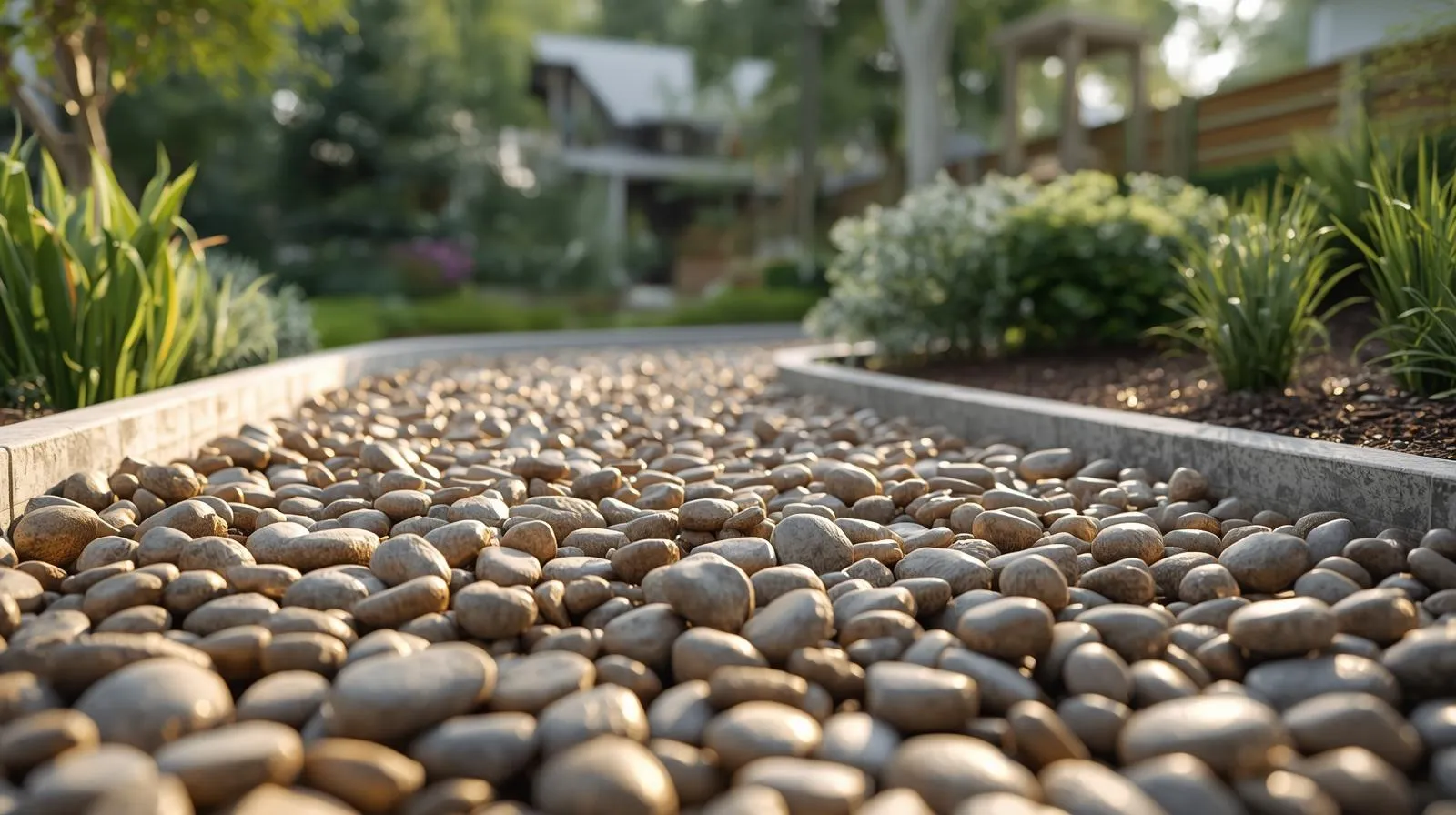
- Decorative garden borders
- Walkways with natural look
- Driveway surfaces with low traffic
- Dry riverbeds in landscaping
- Around plants for mulch alternative
Gravel adds color and texture to outdoor spaces. It lets water flow easily.
Crushed Stone vs Gravel Pros & Cons
Crushed Stone
✔ Locks together for stable surface
✔ Great for heavy use
✔ Works with compactors
✘ Can be rough underfoot
✘ Edges may wear shoes more
Gravel
✔ Rounded stones are easy to walk on
✔ Natural look
✔ Good for simple paths
✘ Can shift easily
✘ Less stable for base layers
Cost Comparison
Prices vary by region and size, but generally:
| Material | Typical Price per Ton | Notes |
| Crushed Stone | $30–$50 | Base material + drainage |
| Gravel | $25–$45 | Decorative or surface use |
Buying in bulk for large projects usually lowers the per-ton cost.
Tips for Choosing Between Crushed Stone and Gravel
- Choose crushed stone for driveways and under pavers.
- Choose gravel for garden paths and decoration.
- Use crushed stone as a base and gravel as a top layer.
- Mix with sand for better compaction where needed.
FAQs
Can I use gravel instead of crushed stone for my driveway?
Yes, for light traffic. But crushed stone is stronger for heavy use.
Is crushed stone better for drainage?
Yes. Its angular shape lets water move faster.
Does gravel stay in place?
Gravel can move over time, especially under heavy use.
Which is cheaper, crushed stone or gravel?
Prices are similar, but gravel may be slightly less.
Can I mix crushed stone and gravel?
Yes. Many landscapers use both for function and look.
Pro Tip
Pro Tip: Use a base of crushed stone and a top layer of gravel. This gives strength underneath and a smooth, natural look on top.