Driveway Pavers for Strong & Stylish Driveways | Top Brands
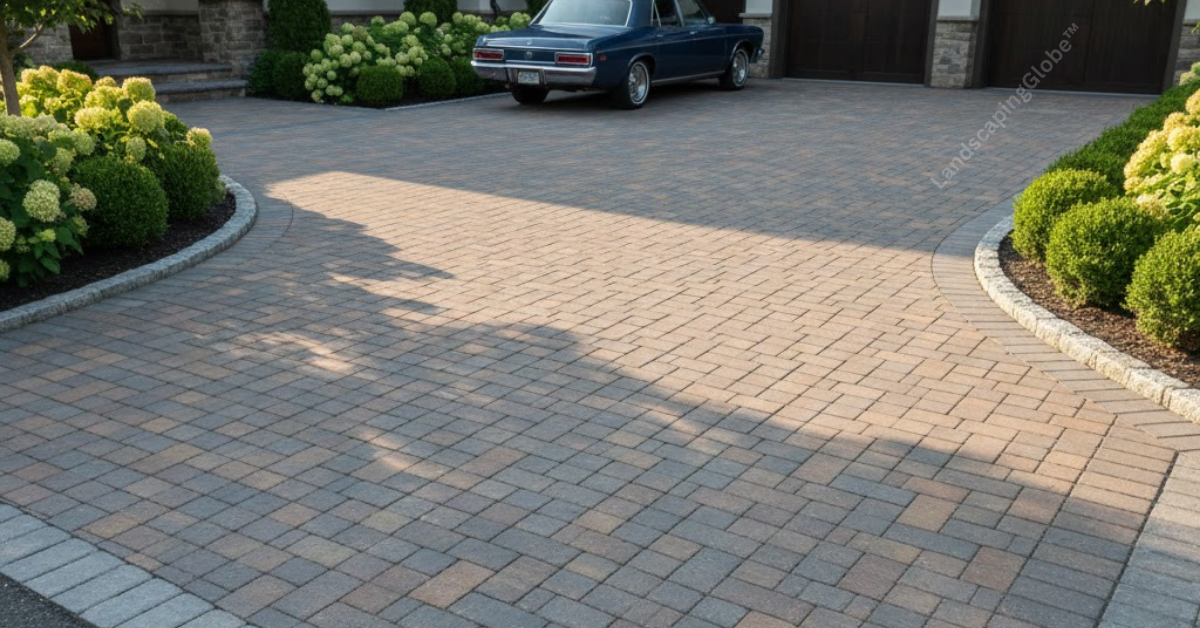
Many homeowners decide to expand their driveways when their family grows or when they need space for extra vehicles. A wider driveway also makes everyday parking easier. It improves access and increases the overall value of the property. An expanded driveway also gives the front of the home a cleaner and more organized look.
Pavers are one of the most trusted choices for driveway expansion. They offer strength, stability, and long-term beauty. Their colors and textures make the new area blend smoothly with the old surface. When installed correctly, the extended section looks like a natural part of the original driveway. Homeowners appreciate that pavers stay strong through heavy use and changing weather. They also like how pavers add charm to the home’s exterior.
Why Choose Pavers for Driveway Expansion
Choosing pavers for driveway expansion gives you benefits that last for years. Pavers create a tough and weather-resistant surface. They handle daily pressure without cracking the way solid slabs sometimes do.
They also match the look of the current driveway. You can pick pavers that copy the color, size, or texture of your existing surface. This keeps the driveway uniform and visually appealing.
Pavers stay easy to repair. If a piece gets damaged, you can replace only that one section. This saves money and avoids removing large parts of the driveway. Pavers also offer simple upkeep. Regular cleaning and sealing help them stay bright and fresh.
Many homeowners enjoy the freedom to choose colors and shapes. With pavers, you can design a driveway that matches your home’s style. They also support the environment better than concrete or asphalt because they let water pass through and reduce surface heat.
Types of Pavers Ideal for Driveway Expansion
Driveway expansion requires materials that combine strength with beauty. These paver types work best.
Concrete Pavers
Concrete pavers remain popular because they are strong and affordable. They come in many shapes that suit both modern and traditional homes. These pavers hold up well against weight and constant use. Their wide color range also helps homeowners match the original driveway easily.
Brick Pavers
Brick pavers bring a classic feel. They look great with traditional architecture. Their natural slip resistant surface makes them safe during wet seasons. Brick stays strong under pressure and keeps its color for years. Many homeowners choose brick pavers for their timeless charm.
Stone Pavers
Stone pavers give unmatched beauty. Each stone is unique. This makes the driveway look elegant and natural. They provide strength that lasts for decades. Stone works well for luxury homes or anyone wanting a premium result.
Permeable Pavers
Permeable pavers allow water to pass through the joints. This helps reduce runoff and improve drainage. They work well in areas that get heavy rain. They also prevent puddles and soil erosion around the driveway.
Planning Your Driveway Expansion Project
Good planning ensures the driveway expansion with pavers looks smooth and strong.
Begin by reviewing the current driveway layout. Identify how much space you want to add and where the new section should start and end. Measure the area carefully.
Next, consider slope and drainage. A driveway must guide water away from the home. Proper grading prevents puddles from forming.
Choose your paver type. Pick colors and patterns that match or improve the existing driveway. Some homeowners prefer a complete match while others enjoy adding a slight contrast.
Check if your local area requires permits for expansion. Many cities need approval before changes to driveways.
Lastly, prepare for excavation. The area must be cleared and ready for base installation.
Step-by-Step Guide to Expanding a Driveway with Pavers
Step 1 – Site Preparation
Clear the chosen area by removing grass, soil, or debris. Level the ground and mark the borders. Make sure the base depth fits the paver type and local soil conditions.
Step 2 – Base Installation
Add layers of gravel and compact them firmly. This base gives the driveway strength. Spread a thin sand layer on top. This helps the pavers stay level and stable.
Step 3 – Laying the Pavers
Place each paver over the sand. Keep the pattern aligned with the current driveway so the extension blends neatly. Use spacers if needed for even gaps.
Step 4 – Edge Restraints and Joint Sand
Install edge restraints to hold pavers in place. Spread sand across the surface and sweep it into the joints. This locks the pavers together and improves stability.
Step 5 – Compact and Seal
Compact the surface again to secure everything. Apply a paver sealant to protect the color and reduce stains. This helps the driveway stay clean and strong.
Benefits of Expanding Your Driveway with Pavers
Expanding the driveway with pavers gives you space for more cars and makes daily parking easier. It also improves the home’s curb appeal. A larger driveway means less mud, fewer tire marks, and better access during rainy seasons.
Pavers give you creative control. You can pick gentle curves or clean straight lines. You can add borders or color blends. Pavers also make long-term care simple. If a paver breaks, you can replace a single piece. This keeps the driveway looking good without major repair costs.
Common Mistakes to Avoid
Many homeowners skip important steps and face problems later. The biggest mistake is ignoring proper base depth. Without a strong base, pavers shift over time.
Using pavers that do not match the existing driveway can also ruin the look. Make sure size and color blend well.
Some people skip sealing. Sealant protects against stains and fading. It also helps sand stay in the joints.
Never forget slope planning. Poor drainage causes water to gather and weaken the surface.
Cost of Driveway Expansion with Pavers
The cost of pavers for driveway expansion varies by material and labor. In most areas, the price averages between 10 to 40 dollars per square foot.
Concrete pavers stay on the lower end. Stone pavers cost more because of their natural beauty. Brick and permeable pavers fall in the mid-range.
Several factors influence pricing, such as:
• Paver type and thickness
• Size of the extension
• Soil condition
• Excavation depth
• Pattern complexity
• Local labor rates
DIY installation reduces labor cost but requires skill, tools, and time. Professional installation ensures long-term quality and proper drainage.
Maintenance Tips for a Newly Expanded Driveway
Keep your driveway looking new by sweeping often. This prevents sand from washing away. Reapply sealer every two to three years to protect the surface.
Clean spills quickly using mild soap. Check the joints and refill sand when needed. If weeds appear, remove them early to stop root growth.
Pro Tip
| Always line up new pavers with the old ones for a flawless look. Consistency makes your driveway shine. |
Professional Driveway Expansion Services
Hiring experts gives you a polished result. Professionals study the ground level, drainage, and soil conditions. They ensure the new section blends with the original driveway. They also plan the grading correctly so that rainfall flows away from the home.
During installation, experts use high-quality compactors and leveling tools. After completing the project, they inspect every part of the driveway for alignment and firmness.
Conclusion
Pavers for driveway expansion offer a strong and stylish upgrade to any home. They improve parking space, raise property value, and add charm to the front of the house. With the right planning and materials, the new driveway section blends naturally with the old one.
Homeowners appreciate how a driveway extension with pavers makes daily life easier. It keeps the outdoor area clean, organized, and welcoming. If you want a driveway that stays beautiful for years, pavers are a choice worth considering.
FAQs:
What is the best paver for a driveway?
Concrete pavers are the best choice for most driveways because they are strong, durable, and available in many colors and patterns. They handle vehicle weight very well and stay stable for years.
Are pavers a good idea for a driveway?
Yes, pavers are a great idea. They don’t crack like concrete, they look beautiful, and you can replace a single paver if it gets damaged instead of fixing the whole driveway.
Is it cheaper to do concrete or pavers?
Concrete is usually cheaper upfront, but pavers save money in the long run because they last longer, need fewer repairs, and don’t crack easily.
What type of paving is best for a driveway?
Interlocking concrete pavers are the best option. They lock together tightly, handle heavy loads, and stay even without shifting.
How much would a 20x20 concrete driveway cost?
A 20x20 concrete driveway (400 sq ft) typically costs $3,000–$6,000, depending on your location, thickness, and finish.
What are the disadvantages of a paver driveway?
The main downside is the higher upfront cost. Also, poorly installed pavers might shift over time, but a professional installer like those recommended by LandscapingGlobe solves this problem easily.
Can I lay pavers directly on concrete?
Yes, you can lay pavers over concrete as long as the concrete is in good condition. You’ll need a thin sand layer or mortar to help them sit evenly.
How much does a 20 ft gravel driveway cost?
A 20-ft gravel driveway usually costs $1 to $3 per sq ft, depending on gravel type and depth. For a basic setup, the total cost often stays between $800–$2,000.
How long will a paver driveway last?
A well-installed paver driveway can last 30 to 50 years or even longer. Their strength and replaceable design give them a much longer life than plain concrete.
How much does it cost to install 1000 sq ft of pavers?
Installing 1,000 sq ft of pavers typically costs $10,000–$25,000, depending on paver material, design complexity, and labor rates.
Which lasts longer, pavers or concrete?
Pavers last longer. They resist cracking, handle heavy weights better, and stay easy to repair. Concrete usually cracks and needs resurfacing much sooner.
How much does it cost to pave a 2000 sq ft driveway?
A 2,000 sq ft driveway can cost $20,000–$50,000 for pavers and $10,000–$20,000 for concrete. The exact price depends on the material and design.
What size paver is best for a driveway?
Medium to large pavers (6x9, 8x8, or 9x12 inches) work best because they distribute weight evenly and stay strong under vehicle pressure.
Does driveway paving increase property value?
Yes, a well-designed paved driveway can increase property value and boost curb appeal. Many homeowners see a strong return, especially with modern paver designs.
What are the three types of pavers?
The three main types are:
- Concrete pavers
- Brick pavers
- Natural stone pavers
Each one has its own look and durability benefits.
What is the best stone to use for a driveway?
Granite and basalt are top choices for natural stone driveways. They’re extremely strong and hold up well against weather and vehicle weight.
What type of pavers last the longest?
Natural stone pavers last the longest, especially granite and basalt. However, high-quality concrete pavers also offer excellent long-term durability with proper maintenance.