Best Fence Types for Homes | Costs, Pros, Cons & Tips
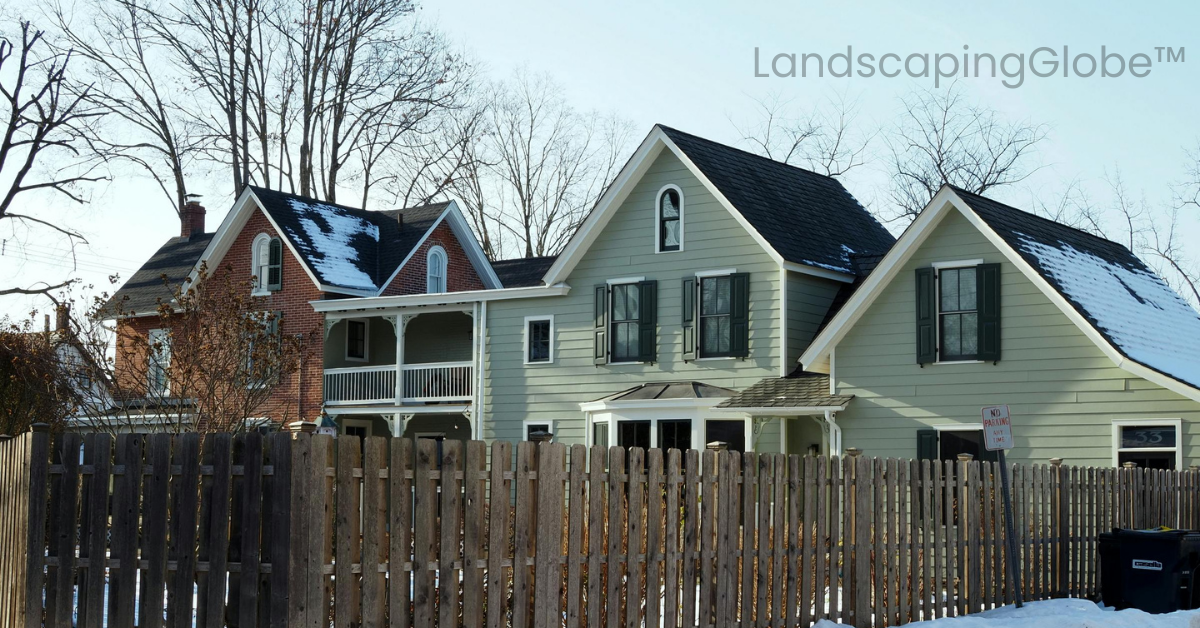
Choosing the best fence types for homes depends on your needs, budget, and home style. Many homeowners choose Wood Fences because they offer natural beauty and strong privacy fencing. Cedar and redwood are popular options since they resist rot and look great, but they need regular staining and sealing.
For people who want low-effort care, Vinyl Fence options are a smart choice. Vinyl is low maintenance, does not attract insects, and keeps its color for years. Another durable option is an aluminum fence or a steel fence, which are rust-resistant, stylish, and perfect for security fencing or pool fencing.
If cost is the main concern, Chain Link Fence is the most budget-friendly fence. It works well for pet containment and children, and privacy slats can be added for extra coverage. For strength and luxury, Wrought Iron Fence provides the highest durability, classic design, and excellent home protection.
In windy areas, split-rail fencing or fences with open space allow air to pass through safely. Modern homes may also use Composite Fencing, which blends wood looks with long life. The right fence improves home value, safety, and curb appeal.
Factors to Consider Before Choosing a Home Fence
- Purpose: Decide why you need a fence, such as privacy fencing, security fencing, or pet containment.
- Privacy Needs: Choose tall, solid fences (6 ft or higher) with no gaps for better privacy.
- Security & Safety: Strong materials like Metal Fencing, Wrought Iron Fence, or Chain Link Fence help protect kids and pets.
- Budget: Plan for material cost, installation, and long-term maintenance like staining or repairs.
- Local Regulations: Check HOA rules, zoning laws, height restrictions, and required permits before building.
- Property Lines: Confirm exact property boundaries to avoid legal or neighbor issues.
- Fence Material:
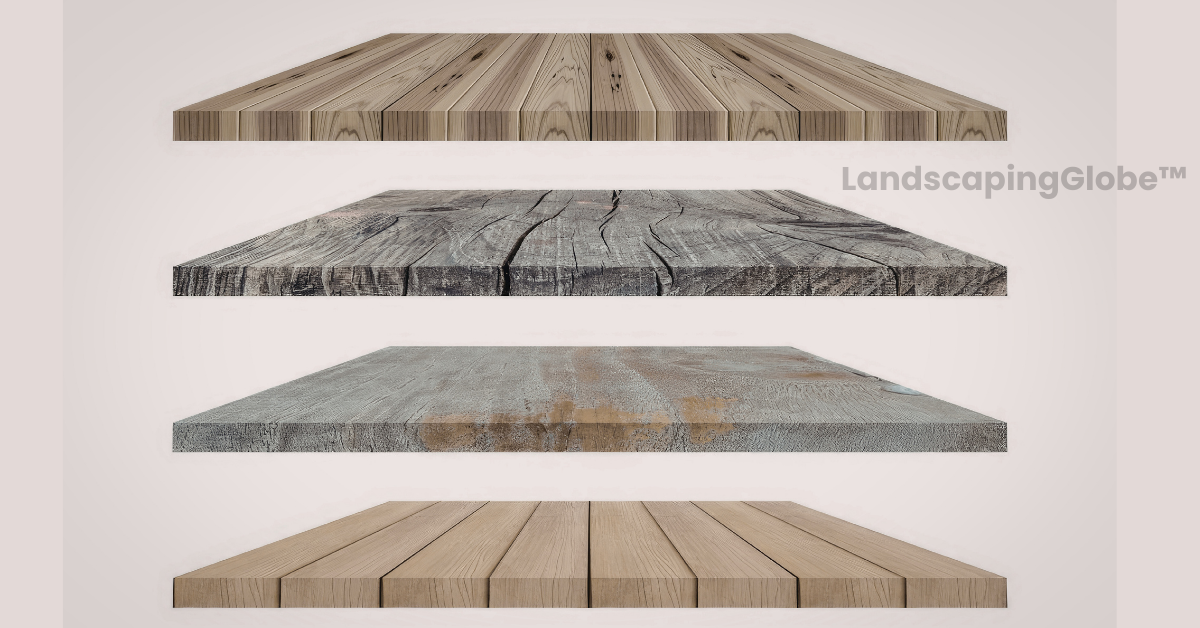
- Wood Fence: Classic look, good privacy, needs regular care.
- Vinyl (PVC) Fence: Low maintenance, durable, and weather-resistant.
- Aluminum Fence: Rust-resistant, stylish, and long-lasting.
- Wrought Iron Fence: Very strong, elegant, and secure.
- Chain Link Fence: Budget-friendly and practical.
- Wood Fence: Classic look, good privacy, needs regular care.
- Maintenance Level: Decide how much time you can spend on cleaning, painting, or sealing.
- Durability & Climate: Pick materials that handle local weather like rain, snow, or humidity.
- Style & Aesthetics: Choose a design that improves curb appeal and matches your home’s architecture and landscaping.
Neighbor Relations: Talk with neighbors about fence placement, shared costs, and fence etiquette.
Best Fence Types Based on Purpose
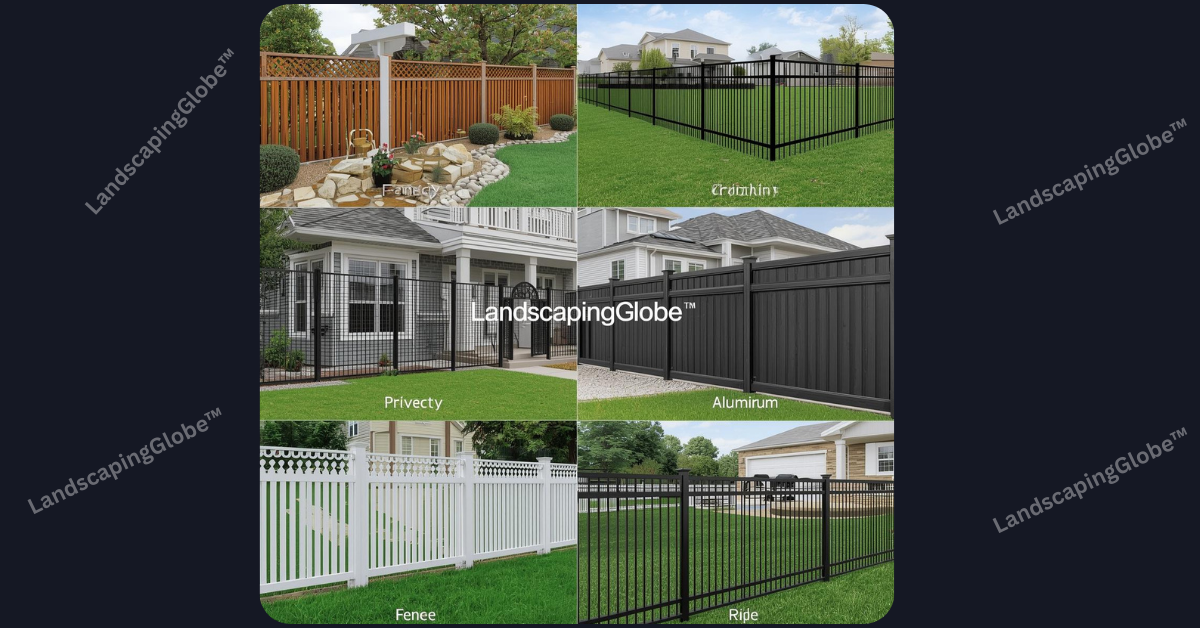
The best fence for your home depends on what you need most. Some fences are built for privacy, others for security, pets, or curb appeal. Choosing the right fence material, height, and spacing helps the fence do its job well.
Best Fence for Privacy
For full privacy, solid and tall fences work best. Wood Fences made from Cedar or Redwood block views and add warmth, but need upkeep. Vinyl Fences and Composite Fences are also great for privacy because they have no gaps and require low maintenance. Most privacy fencing is 6 to 8 feet tall.
Best Fence for Security
Strong materials provide better protection. Steel Fences, Wrought Iron Fences, and Chain Link Fences are commonly used for security fencing. Tall palisade fences and panel designs help deter intruders, while narrow spacing improves safety.
Best Fence for Front Yard
Front yard fences focus on style and openness. Aluminum Fences and Wrought Iron Fences offer an elegant look and boost curb appeal. Short picket fences and decorative metal styles follow most local regulations and neighborhood rules.
Best Fence for Backyards
Backyards need privacy and function. Wood Fences, Vinyl Fences, and Composite Fences are popular for family spaces. Taller panels improve privacy, while proper post anchoring increases durability.
Best Fence for Pet Owners
Pet owners need safe containment. Vinyl Fences, Wood Fences, and Chain Link Fences keep pets secure. Wire mesh, hog wire, and invisible or electric fences are also used, depending on pet size and behavior. Tight spacing and strong materials prevent escapes.
Fence Styles for Residential Properties
Residential homes use different fence styles to improve privacy, security, and curb appeal. Popular styles range from classic designs to modern looks, using materials like wood, vinyl (PVC), metal, composite, and chain link.
Picket Fences
Picket fences are a classic choice for front yards and gardens. They use spaced vertical slats and are often made from wood or vinyl. This style adds charm, defines property lines, and works well for light pet containment while keeping an open look.
Privacy Fences
Privacy fences use solid panels to block views and noise. They are commonly built with wood fencing, vinyl fencing, or composite fencing. These fences are popular for backyards and family spaces where seclusion is important. Most privacy designs are taller and have no gaps.
Semi-Privacy Fences
Semi-privacy fences balance openness and coverage. Styles like shadow board, board-and-batten, and spaced panels allow airflow while still offering partial privacy. They are often made from cedar, pine, or vinyl and work well in neighborhoods with style rules.
Decorative Fences
Decorative fences focus on appearance and elegance. Aluminum fences, wrought iron fences, and metal panel fences are common choices. Modern trends include horizontal slats, wood-and-metal hybrids, and matte black finishes. These styles boost aesthetics and long-term durability.
Residential Fence Comparison
| Fence Type | Main Purpose | Maintenance Level | Durability | Best For |
| Chain Link Fence | Security, boundary | Very Low | Medium | Budget yards, pets |
| Wood Picket Fence | Decoration | High | Medium | Front yards |
| Wood Privacy Fence | Privacy | High | Medium | Backyards |
| Vinyl (PVC) Fence | Privacy, style | Very Low | High | Families |
| Aluminum Fence | Decorative security | Very Low | High | Pools, lawns |
| Composite Fence | Privacy, premium look | Very Low | Very High | Modern homes |
| Steel Fence | Strength, safety | Low | Very High | Security needs |
| Wrought Iron Fence | Luxury, security | Low | Very High | High-end homes |
Fence Cost Comparison (Average Cost Per Linear Foot – Installed)
| Fence Material | Cost Range | Cost Level |
| Chain Link / Wire Fence | $8 – $20 | Cheapest |
| Wood Picket Fence | $10 – $14 | Low |
| Wood Privacy Fence | $15 – $35 | Mid |
| Vinyl (PVC) Fence | $15 – $40 | Mid |
| Aluminum Fence | $17 – $48 | Mid–High |
| Composite Fence | $30 – $60+ | High |
| Steel Fence | $32 – $45+ | High |
| Wrought Iron Fence | $25 – $75+ | Most Expensive |
Maintenance & Durability Comparison
Choosing the right fence depends on how much maintenance you want and how long the fence will last. Some materials need almost no care, while others require regular work to stay strong and attractive.
Low-Maintenance Fence Options
- Vinyl (PVC) Fence
Needs very little care. Cleaning with water is enough. It does not rot, warp, or fade easily. Great for homeowners who want long-term beauty.
- Aluminum Fence
Naturally rust-resistant and lightweight. No painting or sealing needed. Ideal for decorative and secure areas.
- Chain Link Fence
Requires minimal upkeep. Occasional washing keeps it clean. Very strong but limited in aesthetic appeal.
Long-Lasting Fence Materials
- Chain Link Fence: Lasts 30–40 years with low maintenance
- Vinyl Fence: Lasts 20–30+ years, resistant to weather damage
- Aluminum Fence: Lasts for decades without corrosion
- Steel Fence / Wrought Iron Fence: Extremely strong, but needs rust protection
- Wood Fence (Cedar, Pine): Lasts 10–25 years with proper staining and sealing every 2–3 years
Fence Maintenance Comparison
| Fence Material | Maintenance Level | Common Care Needs |
| Vinyl (PVC) | Very Low | Hose cleaning |
| Aluminum | Low | Occasional inspection |
| Chain Link | Low | Washing, tension check |
| Wood Fence | High | Stain, seal, pest control |
| Steel / Iron | Medium | Anti-rust coating |
Fence Durability Comparison
| Fence Type | Expected Lifespan | Durability Level |
| Chain Link Fence | 30–40 years | Very High |
| Vinyl Fence | 20–30+ years | High |
| Aluminum Fence | Decades | High |
| Steel Fence | Decades | Very High |
| Wood Fence | 10–25 years | Moderate |
Pros and Cons of Different Fence Materials (Comparison Table)
| Fence Material | Pros | Cons |
| Wood Fence (Cedar, Pine, Treated Wood) | Natural and classic look, good privacy, sound barrier, customizable styles, eco-friendly, lower upfront cost | High maintenance, needs staining and sealing, prone to rot, insects, warping, fading |
| Vinyl Fence (PVC) | Very low maintenance, weather-resistant, no rot or insects, long lifespan (20–30+ years) | Higher initial cost, less natural appearance, can become brittle in extreme cold |
| Composite Fence | Wood-like appearance, made from wood fibers and plastic, durable, resists moisture and pests, low upkeep | Expensive, may fade or scratch, heat expansion possible |
| Aluminum Fence | Rust-resistant, lightweight, elegant look like wrought iron, low maintenance, good for slopes | Limited privacy, can dent, more costly than wood or chain link |
| Steel / Wrought Iron Fence | Extremely strong, high security, decorative and premium appearance, long-lasting | Very expensive, heavy, needs protective coating for rust, difficult installation, no privacy |
| Chain Link Fence | Most affordable, durable, low maintenance, good for pets and large areas | Least attractive, no privacy, low curb appeal, minimal sound control |
Common Mistakes Homeowners Make When Choosing Fences
- Choosing Style Over Function
Many homeowners pick a fence only for looks and ignore its real purpose like privacy, security, or pet containment. Decorative panels may look good, but fail in safety or strength.
- Ignoring Local Laws and HOA Rules
Skipping local zoning laws, HOA regulations, height restrictions, and permits can lead to fines, legal issues, or forced fence removal.
- Not Checking Property Lines
Building beyond property boundaries without a proper land survey causes neighbor disputes and costly corrections.
- Forgetting Underground Utilities
Not calling “Call Before You Dig” risks hitting buried wires, gas lines, or water pipes, creating safety hazards and repair costs.
- Underestimating Maintenance Costs
Homeowners often ignore long-term maintenance, especially with wood fences that need staining, sealing, and pest control.
- Choosing the Wrong Material for Climate
Using wood in high humidity, or vinyl in extreme cold, without proper treatment, reduces fence lifespan.
- Poor Gate Planning
Forgetting gate placement, width, or accessibility affects daily use and future upgrades.
- Improper Post-Installation
Fence posts not set below the frost line or poorly installed concrete footings lead to leaning and instability.
- DIY Overconfidence
Complex installations done without skills or tools result in uneven panels, weak posts, and a short fence life.
- Ignoring Drainage Issues
Poor drainage around posts causes wood rot and metal corrosion, shortening durability.
Conclusion
Choosing the Best Fence Types for Homes depends on your needs, budget, and style, whether you want privacy, security, or curb appeal.
Wood, vinyl, aluminum, chain link, and composite fences all offer different benefits, so always compare maintenance, durability, and long-term cost.
By checking local rules, planning carefully, and choosing the right material, the Best Fence Types for Homes can increase safety, value, and comfort.
Frequently Asked Questions (FAQ)
What is the best fence type for homes?
The best fence for homes depends on your goal. Wood fences and vinyl fences are best for privacy, aluminum and wrought iron are good for security, and picket fences work well for front yards and curb appeal.
Which fence lasts the longest?
Chain link, aluminum, and steel fences last the longest. These materials can last 30–40 years with very little maintenance and are highly weather-resistant.
What is the cheapest fence for residential use?
Chain link fencing is the cheapest option for residential properties. Wire fences and wood picket fences are also affordable choices for basic boundary marking.
Do I need a permit to install a fence?
Yes, in many areas you need a permit. Local zoning laws, city codes, and HOA rules often control fence height, style, and placement.
Why is fence maintenance important?
Regular maintenance helps prevent wood rot, rust, and early damage. Proper care increases fence lifespan and saves money long term.
How do I choose the right fence for my yard?
Choose based on purpose (privacy, security, pets), budget, maintenance level, and climate conditions. Always match the fence material to your needs.
Is vinyl fencing better than wood fencing?
Vinyl fencing is better for low maintenance and durability, while wood fencing offers a more natural look but needs regular staining and sealing.
Are aluminum fences good for security?
Yes, aluminum fences provide good security and durability, but they offer less privacy compared to solid panels.
Can I install a fence myself (DIY)?
Yes, DIY fence installation is possible for simple fences like chain link or picket fences, but complex designs need professional installation.
Does fence height affect privacy and security?
Yes, taller fences (usually 6 feet or more) provide better privacy and security, while shorter fences are mainly decorative.