Best Pavers Driveways Design Options & Modern Layouts 2026
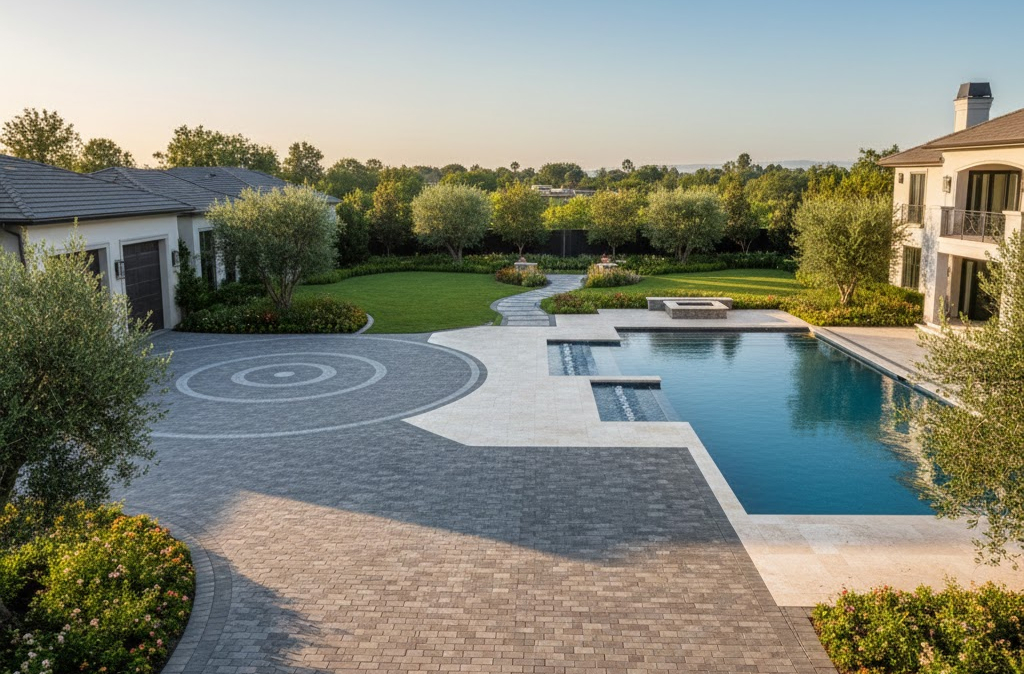
Homeowners want a strong and neat driveway. Many now choose pavers for driveways because they last long and add clean style. Driveway pavers come in many shapes, and each block sits tight, so the driveway stays stable for years.
A driveway with pavers also stays cool, handles weight well, and looks better than plain concrete or asphalt. If one block gets damaged, you replace only that piece. This makes pavers a simple and smart choice.
Types of Pavers for Driveways
Choosing the right paver is key to a durable and attractive driveway. Several materials are available, each offering unique benefits in appearance, strength, and maintenance. Common options include concrete pavers for driveways, stone pavers, porcelain pavers, travertine pavers, permeable pavers, and flagstone pavers.
Concrete Pavers
Concrete pavers are one of the most popular choices. They are strong, cost-effective, and available in many shapes and colors. Concrete pavers for driveway handle heavy loads well and resist cracking over time. They are easy to replace if one section gets damaged, making them a practical choice for busy households.
Natural Stone Pavers (Travertine, Flagstone, etc.)
Natural stone pavers, including travertine pavers and flagstone pavers, bring a timeless, elegant look to driveways. Each piece has unique textures and color variations, which adds character. Stone pavers are durable and can last for decades with proper care, making them ideal for homeowners who want a high-end appearance.
Porcelain Pavers for Modern Homes
Porcelain pavers are sleek and contemporary. They are low-maintenance, stain-resistant, and available in smooth or textured finishes. Porcelain is perfect for modern driveway designs, offering a clean, polished look while remaining durable under heavy traffic.
Permeable Pavers for Drainage-Friendly Driveways
Permeable pavers are designed to allow water to seep through the surface, reducing runoff and preventing puddles. These pavers are ideal for areas prone to flooding or heavy rainfall. They are eco-friendly and help maintain a healthy driveway by reducing water damage and erosion.
Driveway Design Options & Modern Layouts
A driveway is more than just a functional space. Thoughtful designs can enhance your home’s curb appeal and complement surrounding patios or gardens. Using creative patterns and materials, homeowners can turn a simple driveway into a stylish feature.
Classic Driveway Patterns
Classic designs often feature straight lines, herringbone, or basket-weave layouts. These patterns are timeless and suit most homes. Incorporating Indiana pavers in neutral tones adds elegance and ensures durability. Simple yet refined patterns create a welcoming entrance without feeling overdone.
High-End Modern Patterns
Modern driveway designs focus on clean lines and geometric layouts. Large-format pavers, contrasting colors, and minimalist arrangements create a sophisticated look. Patio pavers designs and textured finishes can elevate a driveway, giving it a high-end appearance while remaining functional.
Matching Your Driveway With Patio Layouts
Harmonizing driveway and patio designs creates a cohesive outdoor space. (Internal link anchor text) Using similar patio pavers ideas for both areas can tie them together visually. Blending shapes, colors, and textures ensures the driveway complements surrounding patios, walkways, and garden spaces seamlessly.
How to Install Pavers for Driveway (Step-by-Step Guide)
Installing pavers may seem complicated, but with the right steps, anyone can create a durable, attractive driveway. This guide covers pavers installation from start to finish, making the process manageable for homeowners.
Tools & Materials Needed
Before starting, gather essential tools: a shovel, plate compactor, rubber mallet, level, broom, and string lines. Materials include pavers, sand, gravel, and edge restraints. Having everything ready makes installing pavers smoother and faster.
Preparing the Base Layer
A strong foundation is key for a long-lasting driveway. Excavate the area to remove soil and debris. Add a gravel layer and compact it thoroughly. Spread sand over the gravel for a smooth, stable base. Proper base preparation prevents shifting and uneven surfaces.
Laying the Pavers Properly
Start laying pavers from one corner, following your chosen pattern. Keep consistent spacing and use string lines to maintain alignment. Tap each paver gently with a rubber mallet to set it into the sand. Take your time to ensure a neat, even layout.
Compacting, Leveling & Final Touches
Once all pavers are in place, compact them using a plate compactor to secure their position. Sweep sand into the joints to lock pavers together. Check for level and adjust as needed. Proper finishing ensures your driveway looks polished and stays durable for years.
Patio Pavers – Extend Your Outdoor Living Space
Adding a patio with pavers creates extra living space while enhancing your home’s outdoor appeal. Popular options include:
- Pavers for patios – versatile and durable.
- Concrete pavers patio – strong, affordable, and easy to maintain.
- Stone pavers for patio – natural, elegant, and long-lasting.
1. Best Materials for Patios
Choosing the right material ensures durability and style:
- Concrete pavers patio – ideal for strength and budget-friendly installations.
- Stone pavers for patio – offers a premium look with unique textures and colors.
- Mixed options – combining paver types can create visually striking patterns.
2. Patio Installation Overview
Follow these steps for proper patio pavers installation:
- Prepare the base – excavate, add gravel, and compact.
- Add sand layer – smooth it to create a stable foundation.
- Lay the pavers – follow your chosen pattern and maintain consistent spacing.
- Compact & fill joints – secure the pavers with sand and a plate compactor.
3. Designs That Connect Patio + Driveway
To create a cohesive outdoor space:
- Use similar paver colors or patterns in both areas.
- Align edges and shapes for smooth transitions.
- Consider flowing designs to visually link the patio and driveway.
Walkways & Sidewalk Pavers
Creating a functional and stylish walkway improves both safety and the appearance of your property. Popular choices include:
- Walkway pavers – durable and versatile for any path.
- Pavers for walkway – customizable shapes and colors for unique designs.
- Pavers for sidewalk – sturdy enough for frequent foot traffic.
1. How to Make a Walkway with Pavers
Follow these steps to build a long-lasting path:
- Plan the route – mark the walkway path using stakes and string.
- Prepare the base – excavate soil, add gravel, and compact thoroughly.
- Add a sand layer – smooth it out to create a stable surface.
- Lay the pavers – place them carefully, keeping even spacing.
- Secure and finish – compact the pavers and fill joints with sand.
2. Walkway Design Ideas
Enhance your walkway with creative layouts:
- Use alternating colors for visual interest.
- Try herringbone or basket-weave patterns for classic style.
- Blend with garden or patio areas to create a cohesive outdoor look.
- Curved or meandering paths add a natural, inviting feel.
Backyard & Garden Pavers
Enhancing your backyard with pavers creates functional and attractive outdoor spaces. Carefully chosen materials and layouts improve both aesthetics and usability. Popular choices include pavers for the backyard, pavers for garden, and outdoor pavers.
1. Garden Borders & Steps
- Define garden edges with pavers for garden to prevent soil erosion.
- Use stone or brick pavers to create steps leading to patios or raised areas.
- Edging pavers provide a clean, finished look while guiding foot traffic.
2. Backyard Sitting Area with Stone Pavers
- Create a cozy sitting area using pavers for backyard or outdoor pavers.
- Stone pavers add a natural feel and are durable for outdoor furniture.
- Integrate landscaping elements like plants or lighting for a welcoming space.
Pool Deck & Poolside Pavers
A safe pool area needs a firm surface that stays cool and steady. Many homeowners choose pool pavers because they handle water well and offer a clean finish. Pool deck pavers also give better grip, so the space feels safer for kids and adults.
You can build a modern look, a classic style, or a warm outdoor theme. Travertine pavers pool deck designs stay cool, even in strong sunlight, and work well for long-term use. You can also place pavers around pool edges to create a smooth walkway that connects the whole backyard.
Slip-Resistant Paver Options
Safety comes first near water. Some pavers have textured tops that help shoes stay firm on wet ground. Stone and concrete blocks with natural grip reduce the chance of slipping. These options fit well for pool areas and give a stable path around the water.
Heat-Resistant Materials for Pool Decks
Hot surfaces hurt bare feet fast. Heat-resistant pavers fix this issue. Travertine and some porcelain blends stay cool even on bright summer days. These materials keep the pool deck comfortable and safe for daily use.
Paver Edging & Borders for Driveways
A clean driveway needs strong borders. Many homeowners use pavers for edging to keep the surface tight and neat. These borders stop soil from sliding into the driveway and keep the base locked in place. You can use edging pavers in straight or curved lines to match the home’s style.
A well-built pavers edge also adds a sharp finish that makes the driveway look complete. Some people pick natural stones to get a bold look. Stone pavers edging works well for homes with a classic or rustic style and stays firm for years.
Why Edging Matters?
Edging keeps the driveway strong. It blocks the pavers from shifting and stops the surface from spreading out. Borders also help water flow in the right direction so the driveway stays clean. Without edging, the outer pavers may move and create gaps.
Best Edging Stones for Stability
Strong edging stones keep the driveway steady. Concrete blocks give a straight and firm border for daily use. Natural stones add weight, so they stay in place even with heavy cars. Both options create a stable frame that supports the entire driveway.
Cleaning & Maintaining Pavers
Clean pavers last longer and look better. Dirt, weeds, and stains build up over time, so a simple routine helps keep the surface fresh. Some homeowners also focus on sealing pavers because it protects the color and blocks water damage.
You can use a pavers sealer to add a light shield on top. It keeps oil marks away and makes the driveway easier to wash. People often search for how to clean pavers or how to seal pavers, and the steps are simple when done on time.
Routine Cleaning Methods
Start by sweeping the surface to remove dirt. Use mild soap and water to clean pavers and loosen stains. A pressure washer works well, but use it on low force to keep the surface safe. Remove weeds as soon as you see them so they don’t spread.
When to Seal Your Pavers?
Seal the surface when colors start to fade or water no longer beads on top. Most driveways need sealing every one to two years, based on weather and use. A good sealer keeps stains away and gives the driveway a clean finish.
Repairing & Re-Leveling
If pavers move or sink, fix them early. Lift the uneven blocks, refill the base with sand, and set them back in place. Tight edges and timely repairs keep the driveway strong and smooth.
Driveway Expansion With Pavers
| Topic | Simple Details |
|---|---|
| Why expand? | Extra parking space, better turning space, cleaner layout. |
| Main method | Build a driveway extension with pavers that matches the old driveway. |
| Blend with old area | Same size, color, or pattern for a smooth look. |
| Strength | Pavers stay firm and handle daily weight easily. |
| Cost factors | Paver type, base depth, labor, and layout. |
| Planning step 1 | Measure the area you want to add. |
| Planning step 2 | Check slope so rainwater flows out. |
| Planning step 3 | Pick a simple or custom pattern. |
| Budget tip | Simple borders cost less. Curved shapes cost more. |
| Value added | Expanding the driveway with pavers makes the home look neat and increases curb appeal. |
Paver Cost
Knowing the price of pavers helps plan a driveway or patio. Pavers cost per sq ft varies based on material, style, and location. Homeowners also check the pavers price to compare options before starting. Overall, cost of pavers installed includes both materials and labor.
You can calculate the cost of pavers per square foot to stay on budget and pick the right type for your driveway, patio, or walkway. Planning early avoids surprises and keeps the project smooth.
Material Costs
Material is the first factor in pricing. Concrete and asphalt are cheaper, while travertine, porcelain, and natural stone cost more. A standard driveway can range widely, so check local suppliers. Picking a quality paver keeps your investment safe for years.
Installation Costs
Installing pavers needs proper base work, leveling, and sometimes edging. Labor cost depends on the area size and the complexity of the pattern. Professional installers make sure blocks stay firm, which reduces long-term repair costs.
Cost Comparison: Driveway vs Patio vs Walkway
- Driveways need more strength, so cost per sq ft is higher.
- Patios are smaller, may use decorative pavers, moderate pricing.
- Walkways use fewer materials, a simpler base, so lower cost.
Knowing this helps you choose the right pavers and budget for your project.
Find the Best Paver Contractors Near You
Hiring the right professional makes a difference. Paver contractors help build a strong driveway or patio without mistakes. A good paver contractor ensures proper base work, alignment, and long-lasting results. Many homeowners search for paver contractors near me to find local experts. You can also hire patio pavers contractors for backyard or pool areas.
What to Check Before Hiring
Check if the contractor has experience with your type of paver. Look at previous projects, reviews, and completed work. Make sure they use proper tools and base materials. Insurance and warranty are also important to avoid future problems.
Questions to Ask Contractors
- What type of pavers do you recommend for my area?
- Can you provide a written estimate including labor and materials?
- How long will installation take?
- Do you handle base preparation and edging?
- What maintenance tips do you suggest after installation?
Answering these questions helps choose a contractor who delivers reliable results.
FAQ
Are pavers good for driveways?
Yes. Pavers for driveways are durable, handle weight well, and resist cracking better than plain concrete. They also look stylish and can be replaced individually if damaged.
How long do driveway pavers last?
With proper installation and care, driveway pavers can last 25–30 years or more. Regular cleaning, occasional sealing, and fixing uneven blocks extend their life.
Best paver type for patios & walkways?
Concrete, travertine, and stone pavers work well for patios and walkways. They are sturdy, slip-resistant, and come in many colors and shapes. Using the right base ensures long-lasting results.